
What to look for in a transcription service
Choosing the right audio transcription tool can save time and make written content easier to manage. For many users, the most important features are speed, accuracy, file support, and ease of use. A good service should let you upload common audio formats without extra steps and return text that is easy to read and edit. Clear navigation also matters, especially for people who need quick transcripts for classes, interviews, meetings, podcasts, or personal notes. When a tool is simple to use, it reduces delays and helps users move from audio to text with less effort.
It is also useful to think about how the transcript will be used after conversion. Some people need text for study notes, while others need material for articles, subtitles, research, or business records. In these cases, editable output is important because AI transcription often works best when users can review the result and correct names, technical terms, or unclear sections. A practical audio to text platform should support that workflow by making transcripts easy to copy, update, and organize.
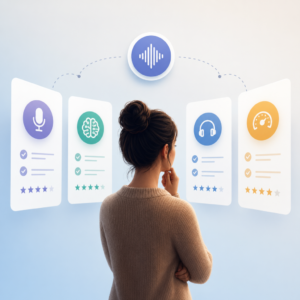
How AI transcription fits different needs
AI audio transcription is helpful because it can process spoken content much faster than manual typing. This makes it a strong option for users who handle large amounts of audio or need results quickly. Students may want lecture transcripts for revision, researchers may need interviews in text form, and content creators may turn recordings into blog posts or captions. The best transcription tool for one person may not be the best for another, so it helps to compare features based on real use cases instead of choosing only by popularity.
Another important point is audio quality. Even strong AI systems perform better when recordings are clear and speakers are easy to hear. Background noise, overlapping voices, and poor microphones can affect results, so users should choose a tool that works well with everyday recordings while still allowing edits after transcription. For anyone searching for a free audio to text solution, the ideal choice is a service that combines accessibility, fast processing, and clean transcript output. That balance helps users turn spoken audio into useful text with less work and better results.


