
Why captions matter for video content
Video captions are one of the most practical uses of audio transcription. While many articles explain how to turn audio into text, captions focus on a specific goal: making spoken content easier to follow on screen. Captions help viewers understand videos in quiet places, noisy environments, or situations where sound cannot be used. They also support people who are deaf or hard of hearing, which makes video content more accessible to a wider audience. For websites, social platforms, online courses, product demos, and webinars, captions can improve the viewing experience and make content more useful without changing the original message.
Captions also bring SEO value. Search engines cannot watch a video the way people do, but they can process text. When a video has a transcript that is turned into clear captions, the spoken content becomes easier to index and understand. This can help a page rank for more relevant search terms, especially when the video includes helpful explanations, tutorials, or answers to common questions. Captions can also increase engagement because viewers are more likely to keep watching when they can read along. For businesses and creators, this means one piece of content can become more accessible, more discoverable, and more effective at delivering information.
How to create better captions from audio transcription
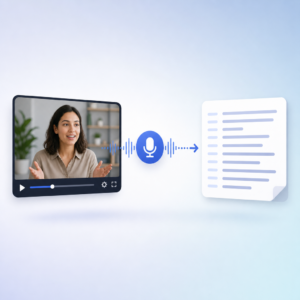
The process usually starts with uploading a video or extracting its audio, then using an AI transcription tool to convert speech into text. After that, the transcript should be reviewed before it becomes final captions. This step matters because captions need more than raw text accuracy. They should be easy to read, well timed, and divided into natural phrases. Long blocks of text can feel hard to follow, so it is better to break captions into shorter lines that match the pace of speech. It also helps to correct names, technical words, brand terms, and punctuation. If more than one person speaks, identifying speakers clearly can improve understanding in interviews, lessons, and panel discussions.
Good captions should match the video closely while staying simple and readable. It is useful to keep wording faithful to the original speech, but unnecessary filler words may need attention if they make the captions harder to follow. Timing is also important because captions that appear too early, too late, or too quickly can reduce comprehension. For multilingual audiences, a clean transcript can also serve as the starting point for translation and subtitles in other languages. This makes audio transcription a strong foundation for video publishing across websites, social media, training platforms, and digital archives. By using AI transcription to create captions, users can save time, improve accessibility, and give their video content more long-term value.


