
Why transcript cleanup matters
Automatic transcription can turn spoken audio into readable text very quickly, but the first draft is not always ready to publish, share, or archive. Even when the audio is clear, transcripts may include filler words, repeated phrases, broken sentences, unclear speaker changes, or small punctuation issues. Cleaning up a transcript helps transform raw text into content that is easier to understand and more useful in real work. For students, it can make study notes clearer. For businesses, it can improve meeting records and internal documentation. For creators, it can support blogs, captions, and repurposed content. A clean transcript also helps with search, indexing, and future reference because important points become easier to find. On a website focused on audio to text, transcript cleanup is a valuable topic because it sits between transcription and final use. It explains what to do after the AI has generated the text and before that text is published, stored, or shared with others.
Transcript cleanup does not mean changing the meaning of what was said. The goal is to preserve the speaker’s intent while improving clarity and structure. In some cases, a transcript should remain very close to the original wording, such as legal, compliance, or formal records. In other cases, it is better to remove verbal clutter and make the language smoother, especially when the transcript will be reused as an article, summary, or support document. Understanding this difference is important because the right level of cleanup depends on the purpose of the transcript. A raw transcript may be enough for quick internal review, while a polished version is better for public content. By applying a clear cleanup process, users can get more value from every uploaded recording and make AI transcription more practical across many types of work.
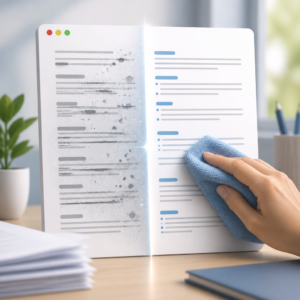
What to fix first in a raw transcript
The best way to clean a transcript is to start with the most visible issues. Begin by checking names, dates, numbers, product terms, and industry vocabulary. These details often matter the most and can affect trust if they are wrong. Next, review punctuation and sentence breaks. AI transcription may capture the words correctly but split long thoughts in awkward places. Adding periods, commas, and question marks can make the entire transcript much easier to read. After that, look at filler words such as “um,” “uh,” “you know,” and repeated starts that appear naturally in speech. These are not always necessary in a final document. Removing them can shorten the text and improve flow without changing the core message. If multiple speakers are present, make sure speaker labels are consistent and placed in the correct spots so the conversation remains easy to follow.
Another useful step is to correct formatting for readability. Long blocks of text can make even accurate transcripts hard to use. Breaking content into shorter paragraphs helps readers scan and understand the material faster. If the audio covers several topics, divide the transcript into logical sections based on theme, time, or speaker. This approach is especially helpful for meetings, interviews, lectures, and podcast episodes. It is also a good time to standardize style choices such as capitalization, abbreviations, timestamps, and how interruptions are shown. For example, if one part of the transcript spells out numbers and another uses digits, choose one format and apply it consistently. A transcript does not need to look literary, but it should feel organized. Small improvements in structure often make a bigger difference than users expect, especially when the transcript will be read by people who were not present during the original recording.
How to match cleanup to the transcript purpose
Not every transcript should be edited the same way. A verbatim transcript captures speech closely, including pauses, restarts, and filler language. This format can be useful for research, legal review, or situations where exact wording matters. A clean read transcript removes unnecessary verbal habits and minor speech errors to improve readability while keeping the original meaning intact. This version works well for most business, education, and content tasks. An edited transcript goes further by reorganizing wording, tightening sentences, and shaping the text for publication. This can be useful when turning audio into articles, guides, support resources, or web copy. Choosing the right cleanup level before editing saves time and helps avoid unnecessary changes. It also makes collaboration easier because everyone knows whether the goal is accuracy, readability, or publication quality.
Matching cleanup to purpose also helps with SEO and user experience. If a transcript will support a web page, it may need headings, stronger paragraph flow, and clearer phrasing so readers can quickly understand the topic. If it will be stored for internal reference, preserving timestamps and speaker turns may be more important than smoothing every sentence. For subtitles or captions, brevity and timing matter more than full detail. For meeting notes, the transcript may need action items highlighted rather than every spoken phrase fully polished. This is why transcript cleanup should always begin with one simple question: what will this text be used for next? Once that answer is clear, users can edit with a practical goal in mind instead of making random changes. A focused cleanup process supports better results and makes audio to text tools more effective in daily workflows.
Practical tips for faster transcript cleanup
Cleaning transcripts does not have to take a long time if the process is consistent. One effective method is to review the transcript in two passes. In the first pass, fix critical errors such as names, figures, and misunderstood terms. In the second pass, improve flow, punctuation, and formatting. If the transcript is long, work in sections rather than trying to edit everything at once. Listening back only to unclear parts can also save time, especially when the transcript is mostly accurate. Search functions are helpful for repeated issues, such as a misspelled name or overused filler word. For recurring projects, style rules can speed up decisions about capitalization, timestamps, speaker labels, and formatting. A simple checklist is often enough to keep edits consistent across many files. This is especially useful for teams that handle interviews, calls, lessons, or regular content production.
It is also important to avoid over-editing. Spoken language is naturally different from written language, and trying to make every sentence sound perfect can remove useful context or change tone. The best cleaned transcript still feels faithful to the original audio. It reads clearly, but it does not pretend the speaker wrote an essay. This balance is especially important for interviews, podcasts, and recorded conversations where voice and personality matter. If the transcript will be shared publicly, check that the final version is respectful, easy to follow, and free from obvious errors. If it will be used privately, prioritize speed and usefulness over stylistic perfection. Transcript cleanup is most effective when it supports the next step, whether that means publishing content, documenting information, improving accessibility, or making search and review easier. With a simple process, users can turn AI-generated text into a more reliable and valuable asset.


