
Why translation adds value to audio transcription
Audio transcription is often the first step in turning spoken content into something searchable, readable, and easy to reuse. A strong next step is translation. When a transcript is translated into another language, the same recording can support more users, more teams, and more types of content. This is useful for interviews, webinars, product demos, training sessions, classes, podcasts, and customer calls. Instead of working from audio alone, people can review written text, identify key sections, and create translated versions faster. For businesses and creators, this can improve communication with international audiences. For researchers and students, it can make source material easier to compare and quote. For accessibility, it can help more people understand information without depending only on the original language. Translation also makes transcripts more flexible for captions, articles, help documents, reports, and internal knowledge bases. By starting with a transcript, users can separate two important tasks: first converting speech into text, then converting meaning from one language into another. This approach is usually easier to manage than trying to handle both directly from raw audio.
Translating a transcript also helps reduce common problems that appear when working from spoken files. Audio can include pauses, filler words, interruptions, and unclear pronunciation. Once speech is transcribed, the content becomes easier to scan and check before translation begins. Names, dates, product terms, and repeated phrases can be corrected in the transcript so the translated version has a stronger base. This matters because translation quality depends heavily on source quality. If the original transcript is messy, incomplete, or inaccurate, the final translated text may carry the same issues into another language. A clean transcript gives users more control over terminology and tone. It also helps teams collaborate, since one person can review the source text while another checks the translated output. In many workflows, transcript translation is not only about changing language. It is also about creating a usable text asset that can be adapted for different readers. That can include a full word-for-word translation, a simplified summary, or a polished version prepared for publishing on a website, sending to clients, or adding to a document library.
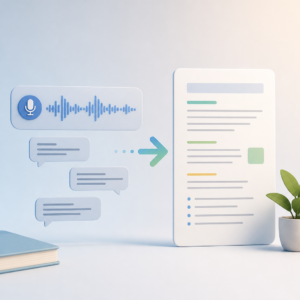
How to prepare a transcript before translating it
Preparation is important if the goal is clear and reliable translated text. The first step is to review the transcript and remove major errors that could affect meaning. Focus on speaker names, technical terms, acronyms, numbers, dates, and any phrases that sound incorrect. It is also helpful to break long text into readable sections. Short paragraphs and clear sentence boundaries make translation easier to follow. If the recording includes multiple speakers, label them consistently so the conversation remains understandable in the translated version. Users should also decide what kind of output they need. A direct transcript translation may keep the original structure closely, while a translated article, summary, or caption file may need editing for flow and readability. When the purpose is clear, it becomes easier to choose the right level of detail. For example, an internal meeting record may need full content, but a public-facing document may require only the key points. Preparing the transcript in advance saves time later and lowers the risk of confusion during review.
Another useful practice is to create a small list of terms that should stay consistent across the text. This can include brand names, product features, industry vocabulary, and names of people or organizations. Consistency matters because the same word can be translated in different ways depending on context. If different sections use different versions of the same term, the final text may feel unprofessional or harder to understand. It is also smart to remove unnecessary fillers if they do not add meaning. Words like repeated pauses, false starts, or casual spoken habits can make a translated document look cluttered. At the same time, users should be careful not to remove information that changes intent. The goal is not to rewrite the speaker completely, but to give the translation a cleaner source. If the transcript will be used for subtitles or captions, timing and line length may also matter. In that case, preparation should include segmenting the text into units that are easier to display on screen after translation.
Best uses for translated transcripts
Translated transcripts can support many practical tasks across education, business, media, and support. In education, lectures and recorded lessons can be transcribed and translated so learners can review content in a preferred language. In business, team updates, product training, and recorded presentations can reach employees and partners in different regions. In marketing, interviews and webinars can become multilingual blog posts, social media clips, and email content. Customer support teams can use translated transcripts to analyze common issues across markets and improve help materials. Journalists and researchers can work with international source material more efficiently when they have a transcript in the original language and a translated version beside it. This text-based workflow often makes it easier to compare statements, highlight themes, and quote key passages accurately. Because the content is already written out, it can also be indexed, searched, archived, and reused later without replaying the audio every time.
Website publishing is another strong use case. A transcript can become the base for translated articles, FAQs, knowledge base entries, and landing page content. This helps websites extend the value of each recording without creating everything from the beginning. For video teams, translated transcripts can also support subtitle creation and multilingual video descriptions. For internal operations, transcripts from multilingual calls can help teams document decisions and share updates clearly. In each case, the transcript acts as a source file that can feed several outputs. This is one reason audio-to-text tools are valuable beyond simple note capture. They help users build repeatable content processes. Instead of treating each recording as a one-time file, teams can turn it into a structured text resource that supports translation, editing, search, and publication. The more often recordings are reused across formats, the more important it becomes to keep transcript quality high from the start.
Tips for getting better results from transcript translation
Better results usually come from a step-by-step process. Start with clear audio and an accurate transcript. Review the transcript before translating, especially if it contains specialized vocabulary or multiple speakers. Keep formatting simple so the text is easy to move between tools and documents. After translation, compare a few important sections with the original transcript to check that the meaning is still correct. Pay extra attention to instructions, numbers, measurements, dates, pricing, and legal or medical language, since these details are easy to misread. If the translated text will be published, edit it for natural flow in the target language rather than relying only on a raw direct conversion. It can also help to separate tasks by goal: one version for records, another for captions, and another for polished website content. This avoids forcing one translated text to do everything at once. A practical workflow often produces better quality than trying to get a perfect result in a single step.
Users should also think about privacy, file management, and long-term reuse when handling translated transcripts. Sensitive recordings may require extra care before sharing text with team members or storing files online. Clear naming conventions can help keep the original transcript, reviewed transcript, translated text, and final edited version organized. This becomes especially useful when the same content is updated later or published in several languages. It is also wise to keep the source transcript available for reference, since translation questions often come up after publication. Over time, a collection of well-prepared transcripts can become a valuable library of multilingual content. That library can support SEO, training, documentation, and communication across regions. For a website built around free AI audio transcription, transcript translation is a natural extension of the workflow. It expands the reach of spoken content and helps users get more value from every file they upload, review, and reuse.


